



.jpeg "Texture in Architecture: Visual and Tactile Considerations")
In 2025, texture isn’t just a finish—it’s a spatial language. For senior architects across the US, UK, Germany, and Switzerland, the real client pain point isn’t selecting materials but ensuring those materials perform emotionally—not just structurally. Too often, projects look flawless in AI renders yet feel sterile or disengaging in person because texture was treated as an aesthetic afterthought, not a core design driver.
Texture bridges the gap between visual perception and bodily experience. Done right, it reduces stress, guides circulation, and elevates perceived value—key for high-end residential, wellness centers, and corporate interiors competing in saturated markets.
Keynotes: Here Is What You Will Learn
- Why texture impacts cognitive load and emotional well-being more than color or form
- How to differentiate visual vs. tactile texture—and when each matters most
- The neuroarchitectural science behind “haptic engagement” in built environments
- Mistakes AI rendering makes when flattening textural depth
- A practical framework for layering texture without visual clutter
Keep reading—you’ll see how elite firms use texture as a silent sales tool in client pitches and occupancy satisfaction.
Why Texture Is the Unseen ROI Driver
While clients obsess over floorplans or façade styles, texture quietly shapes how a space is felt. Neuroscience research cited by Architectural Digest shows that textured surfaces activate the somatosensory cortex—even when not touched—triggering subconscious feelings of warmth, safety, or dynamism.
In hospitality or high-end residential sectors, this translates directly to perceived luxury. A smooth marble countertop feels cold and efficient; the same surface paired with hand-troweled plaster or woven rattan introduces tactile contrast that signals care, craft, and human scale.
Key takeaway: Texture isn’t decorative—it’s psychological infrastructure that influences dwell time, brand perception, and even lease renewal rates.
Visual vs. Tactile Texture: Know the Difference
Many architects conflate the two—but the distinction is critical:
- Visual texture is perceived through light and shadow (e.g., a 3D-printed panel that looks rough but is smooth to the touch). Useful in high-traffic or sterile environments like hospitals or lobbies where cleanliness trumps touch.
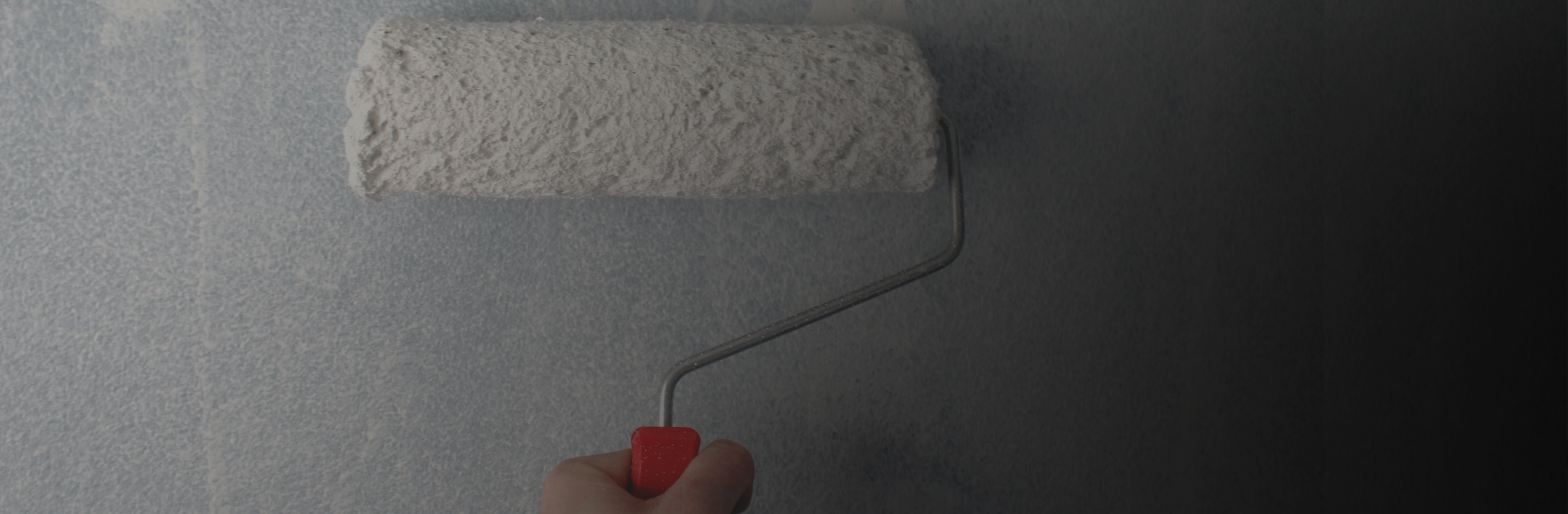
- Tactile texture demands physical interaction (e.g., board-formed concrete, hand-glazed tiles, charred wood). Best in wellness centers, residences, or educational spaces where sensory engagement supports cognitive restoration.
The key client pain point this article solves? Designs that look rich in renders but feel flat in reality. That happens when visual texture dominates without tactile grounding. In 2025, leading practices layer both: visual texture for drama at a distance, tactile texture for intimacy up close.
Key takeaway: Match texture type to spatial behavior—public zones favor visual texture; private or therapeutic zones thrive on tactile authenticity.
AI’s Blind Spot: The Flattening of Texture
Generative AI excels at color palettes and geometry—but it fails at micro-variation. AI renders often homogenize surface details, turning a subtly undulating lime plaster wall into a flat beige plane. This erases the very “imperfections” that convey handcraft and material honesty.
Think of AI as the architect’s co-pilot: it can simulate material libraries quickly, but you must manually reintroduce texture depth in post-production or specify real-world samples for client review. Never approve a final palette from a render alone.
Key takeaway: Always validate texture through physical mock-ups or high-resolution site-sampled photography—especially for wellness or luxury projects where sensory authenticity is non-negotiable.
Layering Texture Without Chaos: The 3-2-1 Rule
Too much texture feels chaotic; too little feels corporate. The solution? A calibrated layering strategy:
- 3 dominant textures max per space (e.g., stone floor, linen curtains, oak millwork)
- 2 of them should share tonal harmony (e.g., warm oak and beige plaster)
- 1 should introduce contrast (e.g., blackened steel or ribbed glass)
This approach, used by firms like Snøhetta and Studioilse, ensures visual rhythm while preserving sensory richness. It’s especially effective in compact urban apartments or boutique offices where every surface must multitask.
Key takeaway: Texture layering isn’t additive—it’s curatorial. Edit ruthlessly for emotional clarity.
Sustainability Meets Sensory Design
In 2025, texture and sustainability are inseparable. Clients demand low-carbon materials—but also crave sensory warmth. The solution? Natural, minimally processed surfaces that age gracefully:
- Rammed earth (visual + tactile, carbon-negative)
- Reclaimed timber with visible grain and knots
- Clay plasters that modulate humidity and light
These materials satisfy both LEED/Passivhaus requirements and neuroaesthetic principles—proving that eco-performance and human delight aren’t trade-offs.
Your Texture in Architecture FAQs Answered
Q: Can texture improve acoustic performance?
A: Yes. Textured surfaces like perforated wood, 3D gypsum tiles, or fabric-wrapped panels diffuse sound more effectively than flat walls.
Q: How do I specify texture for maintenance-heavy spaces?
A: Use visual texture (e.g., embossed metal) in high-touch zones; reserve tactile texture for controlled environments like private suites.
Q: Does texture affect lighting design?
A: Absolutely. Rough surfaces scatter light (softer ambiance); smooth surfaces reflect it (higher glare risk). Always coordinate with your lighting consultant early.
Q: Are there cultural preferences for texture?
A: Yes. Scandinavian clients favor raw, muted textures; Middle Eastern and Asian clients often prefer rich, layered tactility (e.g., silk, stone inlay).
Q: Can BIM model texture accurately?
A: Not at human scale. Use BIM for coordination, but rely on VR or physical samples for sensory validation.
Q: How do I present texture in client pitches?
A: Create a tactile mood board with actual material samples—never rely on digital swatches alone.
So… What Should You Do Now?
You don’t need more materials—you need more intention. Start by auditing your next project through a textural lens:
- Map user journey: where should texture soothe? Where should it energize?
- Limit your palette to 3 core textures using the 3-2-1 rule
- Source real samples early—especially for wellness, hospitality, or high-net-worth residential
- Use AI as your co-pilot for iteration, but trust your hands for final judgment
Remember: in a world of algorithmically perfect renders, human texture is your differentiator.
Download Our Free 2025 Texture Specification Toolkit
Get material pairings, sustainability ratings, and client presentation templates for high-sensory, low-carbon projects.
Not Available YetIn 2025, the most memorable spaces aren’t the smoothest or the shiniest—they’re the ones that invite you to look closely, lean in, and feel the architecture. Because texture is where design becomes human.
What’s one material whose texture completely transformed a project for you? Share your story below—we read every comment.
Next up: “Biophilic Design in High-Density Cities: Beyond Potted Plants.”
Explore related insights on neuroaesthetics and spatial cognition, sustainable material selection, material juxtaposition strategies, post-occupancy evaluation for sensory metrics, lighting design psychology, AI rendering pitfalls in client presentations, WELL Building Standard compliance, and avoiding aesthetic overreach in high-stakes proposals.

No comments:
Post a Comment
Don't Forget to Let us Know What you Think About this Post in the Comment Box.