


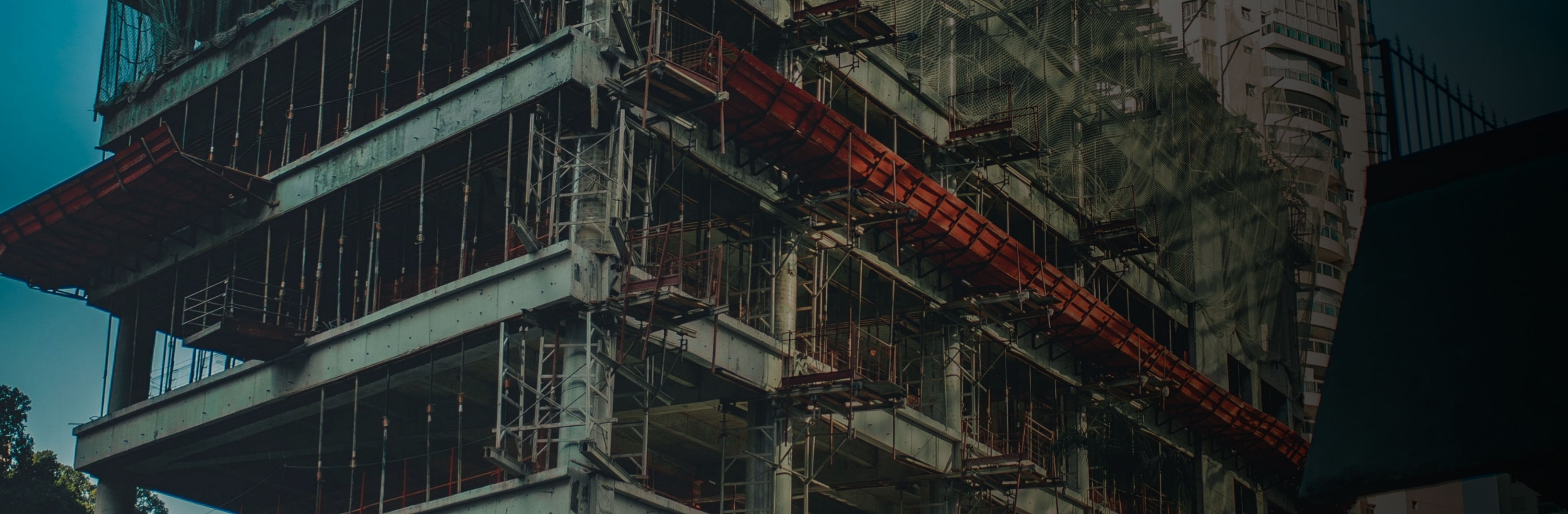



.jpeg "Rhythm and Repetition: Creating Pattern in Architecture")
In a world saturated with visual noise—from algorithmically generated façades to TikTok-speed design trends—the quiet power of rhythm and repetition is making a strategic comeback. For senior architects in the US, UK, Germany, and Switzerland, the key client pain point isn’t lack of ideas—it’s creating spaces that feel intentional, navigable, and emotionally coherent without relying on gimmicks or excessive ornament.
Rhythm isn’t just aesthetic cadence—it’s spatial choreography. When deployed with precision, it reduces cognitive load, guides circulation, and builds brand identity in commercial environments. In 2025, pattern isn’t decorative filler; it’s a functional language that turns passive viewers into engaged occupants.
Keynotes: Here Is What You Will Learn
- Why rhythm reduces user anxiety in complex buildings (hospitals, airports, campuses)
- How to differentiate structural, spatial, and material repetition—and when each works best
- The neuroarchitectural basis for why pattern = predictability = comfort
- AI’s limitation in generating meaningful rhythm (and how to fix it)
- A practical 4-step method to layer rhythm without monotony
Keep reading—you’ll see how elite firms turn repetition into a silent wayfinding system and premium differentiator.
Why Rhythm Is Architecture’s Hidden Wayfinding Tool
Most clients assume wayfinding relies on signage—but neuroscience tells a different story. According to research covered by Architectural Digest, the brain uses environmental rhythm to build mental maps. Repeating columns, window bays, or floor transitions act as “cognitive anchors,” reducing disorientation in large or unfamiliar spaces.
In healthcare or transit design—where stress levels run high—consistent rhythm lowers heart rate and improves decision speed. Even in luxury hospitality, rhythmic detailing (e.g., repeated arches or millwork intervals) signals craftsmanship and order, boosting perceived value.
Key takeaway: Rhythm isn’t decorative—it’s a behavioral infrastructure that supports memory, movement, and emotional security.
Solving the Core Pain Point: When Repetition Feels Boring
The key client pain point this article solves? Designs that feel monotonous despite “clean” repetition. This happens when rhythm is applied mechanically—without variation, scale shift, or narrative intent.
True mastery lies in calibrated disruption:
- Structural rhythm (e.g., column spacing) stays consistent for legibility
- Material rhythm introduces subtle shifts (e.g., every third column clad in terracotta)
- Spatial rhythm modulates volume (e.g., alternating high and low ceilings in a sequence)
Firms like David Chipperfield Architects use this approach in museums: repeating gallery modules create calm, while a single asymmetrical void becomes a moment of revelation. The result? Pattern with purpose—not predictability.
Key takeaway: Repetition without variation is fatigue. Repetition with intention is resonance.
AI’s Blind Spot: Algorithmic Repetition vs. Human Rhythm
Generative AI excels at repeating elements—unfortunately, it often does so with robotic uniformity. AI-rendered facades may show perfect column spacing, but lack the micro-variations (weathering, shadow play, material aging) that make rhythm feel human and alive.
This is where the architect’s curatorial role intensifies. Use AI as the architect’s co-pilot to test spacing ratios or modular systems, but manually introduce controlled “imperfections”—a shifted panel, a textured insert, a beam that steps down—to restore emotional depth.
Key takeaway: AI generates repetition; architects create rhythm by embedding narrative and nuance.
The 4-Step Framework for Intelligent Pattern
To avoid monotony while maximizing coherence, follow this field-tested framework used by leading European practices:
- Anchor: Choose one dominant repeating element (e.g., vertical mullions, floor tile module, ceiling baffle)
- Modulate: Vary its expression every 3rd–5th instance (material, depth, finish)
- Interrupt: Insert a “hero” moment—a break in rhythm that draws focus (e.g., a double-height void, a sculptural column)
- Scale: Echo the same rhythm in smaller details (door handles, lighting fixtures, grilles) for subconscious unity
This approach ensures rhythm operates at multiple perceptual levels—macro for orientation, micro for delight.
Sustainability and Rhythm: Efficiency Meets Elegance
In 2025, rhythm aligns seamlessly with low-carbon design. Modular repetition reduces material waste, simplifies fabrication, and accelerates construction—key for LEED and Passivhaus compliance. Prefabricated wall panels, standardized window units, and repetitive structural grids aren’t compromises; they’re strategic advantages.
Yet elegance persists: the Bloomberg European HQ in London uses a rhythmic ceiling “petal” system that’s both acoustically functional and visually poetic. Repetition, when rooted in performance, breeds its own beauty.
Your Rhythm and Repetition FAQs Answered
Q: Can rhythm work in small or irregular spaces?
A: Yes—use material or lighting rhythm (e.g., repeated sconces or floor inlays) to imply order even when geometry is constrained.
Q: How do I avoid “institutional” vibes in repetitive designs?
A: Introduce warmth through natural materials and variation in surface texture—never rely on geometry alone.
Q: Does BIM support rhythm analysis?
A: Indirectly. Use BIM for modular coordination, but validate perceptual rhythm through VR walkthroughs or physical models.
Q: Is rhythm culturally universal?
A: Mostly—but intensity varies. German and Swiss clients favor disciplined repetition; US and Middle Eastern clients often prefer bolder, more varied sequences.
Q: How does rhythm affect lighting design?
A: Repetitive elements create predictable shadow patterns—use this to sculpt ambiance and reduce glare through strategic placement.
Q: Can AI help optimize rhythm for cost and constructability?
A: Yes. Tools like Hypar or Autodesk Forma can test modular efficiencies—but always overlay human judgment for experiential quality.
So… What Should You Do Now?
You don’t need more modules—you need more meaning. Apply the 4-step framework to your next project:
- Identify the primary rhythm driver (structure, material, or space)
- Plan your modulation and interruption points early
- Use AI as your co-pilot for technical iteration—but curate the emotional rhythm yourself
- Test the sequence at human eye level, not just in plan
Remember: in a chaotic world, rhythm is the architecture of calm.
Download Our Free 2026 Rhythm & Repetition Design Toolkit
Get modular spacing guides, material rhythm pairings, and client presentation templates for high-coherence, low-stress environments.
Not Available YetIn 2025, the most enduring buildings aren’t the most novel—they’re the ones that speak in a steady, reassuring voice. Because rhythm is where order becomes experience.
What’s one project where rhythm transformed user flow or emotional response? Share your insight below—we read every comment.
“Biophilic Design in High-Density Cities: Beyond Potted Plants.”
Explore deeper strategies in neuroaesthetics and spatial cognition, parametric design at human scale, sustainable material specification, avoiding AI rendering pitfalls, post-occupancy evaluation frameworks, lighting psychology in interiors, WELL-certified spatial design, and client pitch mistakes in high-stakes proposals.

No comments:
Post a Comment
Don't Forget to Let us Know What you Think About this Post in the Comment Box.